How you start your day matters
The first moments after you wake up are not just about getting out of bed, they are a powerful window to regulate your nervous system, reduce anxiety, and set the tone for your mental wellbeing.
In those early minutes, your brain is still in a post-sleep state. You are more receptive, more suggestible, and your nervous system hasn’t yet been activated by external demands. This makes morning the ideal time to:
Regulate your breathing
Prioritise your mental health
Calm your nervous system
Set intentional thoughts for the day
Instead of reacting to the world, you get to choose how you show up.
Why Your Morning Routine Affects Anxiety and Stress Levels
Your nervous system is constantly scanning for safety. The moment you wake up, your brain begins asking:
“Am I safe today?”
“What do I need to prepare for?”
If your first action is to flood your brain with information, stimulation and comparison, your body shifts straight into stress mode. Your morning routine can either activate your stress response OR build emotional resilience and regulation.

The Worst Thing You Can Do in the Morning
The most dysregulating way to start your day is reaching for your phone. Before you’ve even taken a conscious breath, you allow the outside world to enter your nervous system.
Here’s why:
Social Media Increases Comparison
Scrolling first thing in the morning immediately triggers comparison. Your brain begins measuring your life against others before you’ve even checked in with yourself.
The News Activates Threat Responses
News is often negative. Your amygdala reacts as if danger is immediate and personal even when it isn’t. This can leave you feeling stressed, hopeless, or panicked before you’ve even taken the duvet off.
Emails Put You in Work Mode
Checking emails signals urgency. Your nervous system shifts into productivity and pressure before it’s been regulated.
Whatsapp Messages Create False Urgency
Notifications make your brain believe something requires immediate action even when it doesn’t. Your nervous system doesn’t know the difference between urgency and threat.
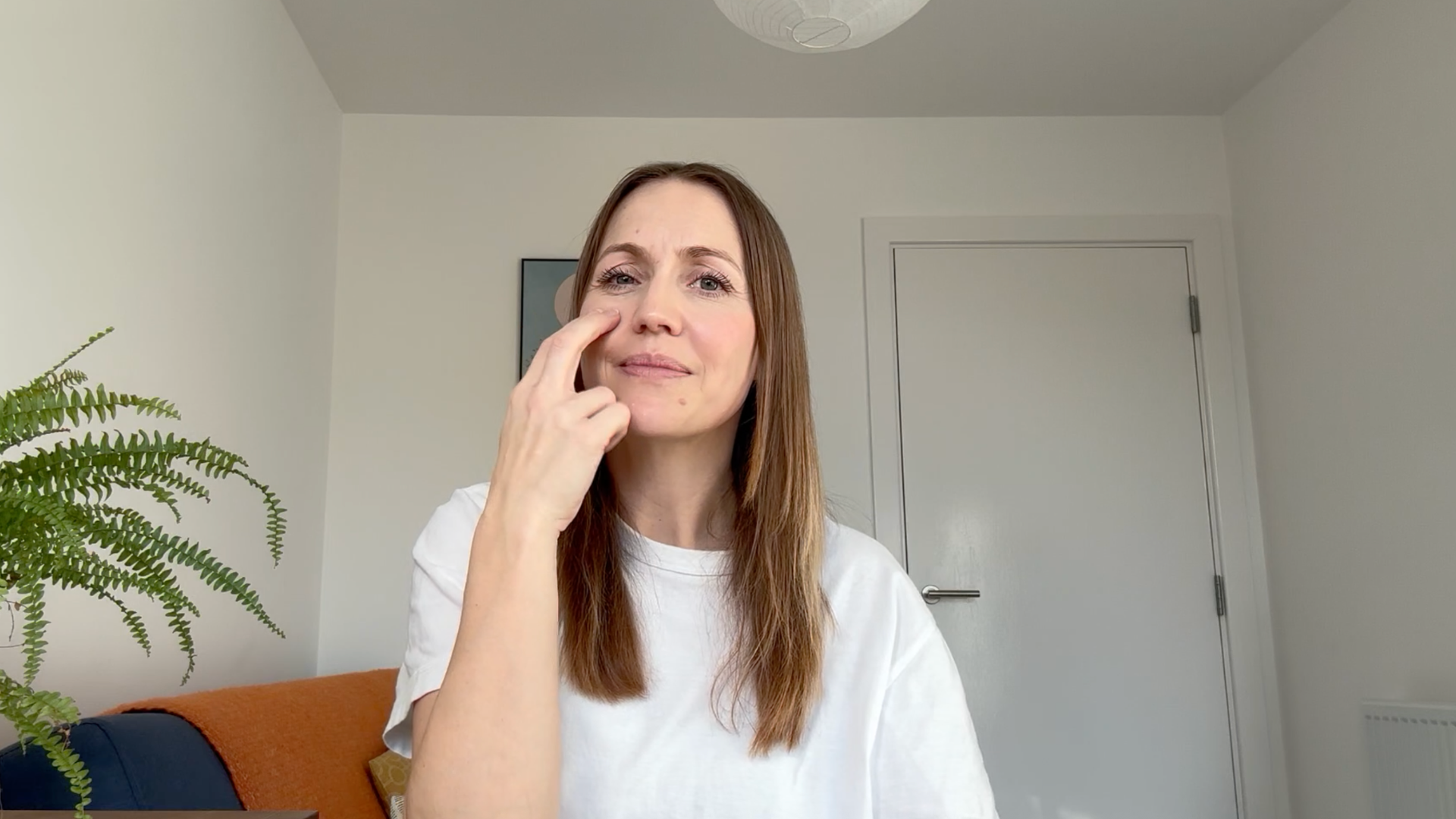
Why Tapping Is So Powerful in the Morning
Emotional Freedom Technique (EFT tapping) is one of the most effective ways to regulate your nervous system at the start of the day.
Tapping combines:
Gentle acupressure stimulation
Breathwork
Affirmations
Cognitive reframing
This combination physically and psychologically brings your nervous system into balance.
When you tap in the morning, you:
Lower cortisol levels
Reduce stress and anxiety
Feel calmer and more grounded
Strengthen emotional resilience
Feel mentally prepared for the day ahead
You are not just thinking positive thoughts, you are signalling safety through your body. And when your body feels safe, your mind follows.
Start Your Day With “Tapping To Have An Amazing Day”
This video will help you start the day feeling calm, empowered and grounded - ready to take on any challenge that comes your way.
The short tapping process helps you:
Release morning anxiety
Regulate your nervous system
Shift negative thoughts
Set empowering intentions
Build emotional resilience before the day begins
It takes just a few minutes, but it can completely change how you feel throughout the day.
👉 Watch the video above to start your day in the right way.

The Complete Wellbeing Reset is a transformative journey designed specifically to target different aspects of your wellbeing to give your mind, body and soul a full reset. Creating space for deep healing so that you can thrive once again.
Whether you’re a busy professional, an overwhelmed parent, struggling with anxiety, want to improve your confidence speaking or simply want to feel more inner peace, this programme is designed around your own personal needs.
Together we’ll reset your energy with practical tools and techniques that work around your unique nervous system allowing you to be the best version of yourself once again.
Book your FREE consultation call today and we can discuss your wellbeing needs and goals. I can’t wait to hear from you.